Peru is a country located in western South America. It limits with Ecuador and Colombia to the north, Brazil to the east, Bolivia and Chile to the southeast, and the Pacific ocean to the west.
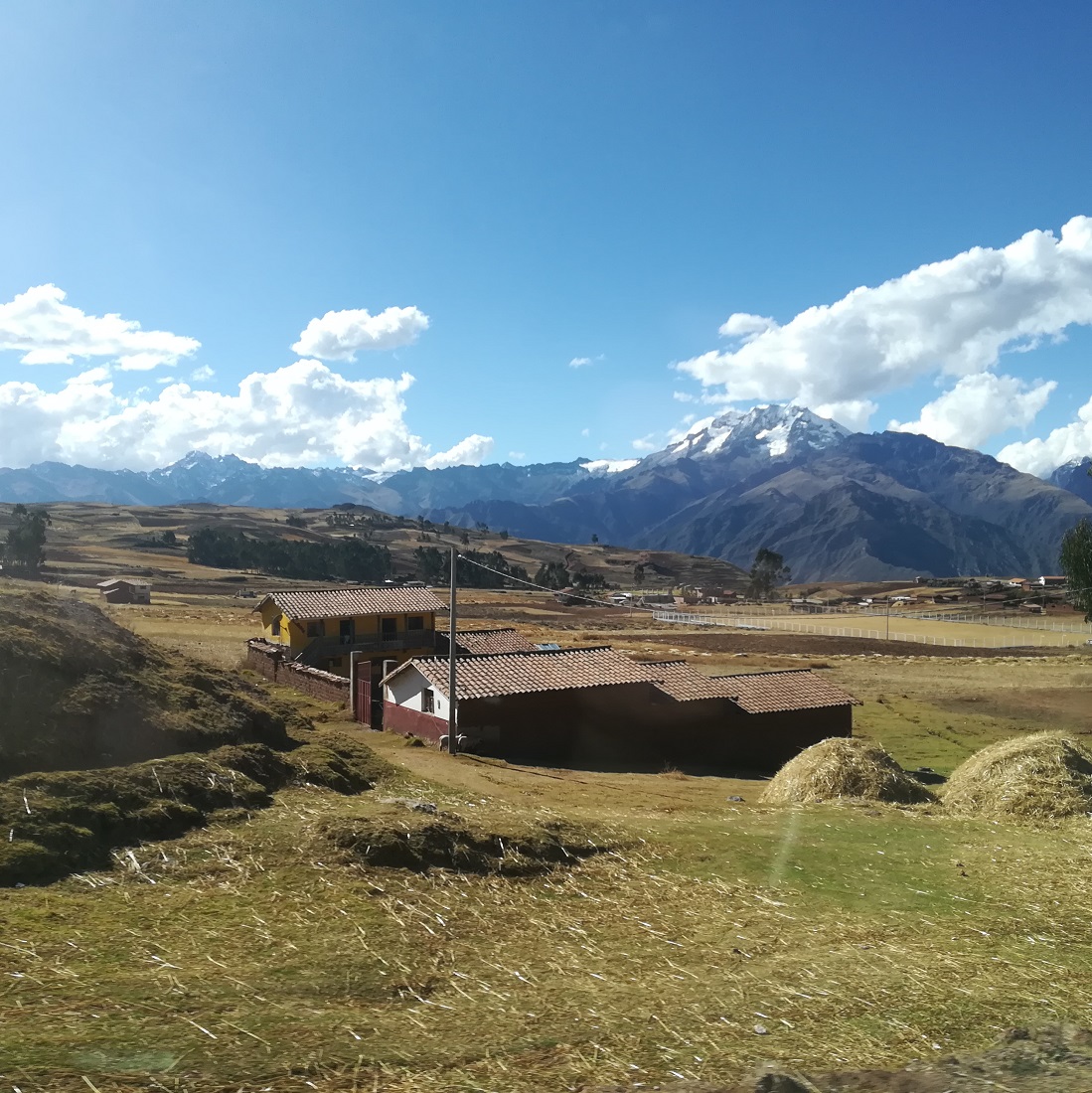
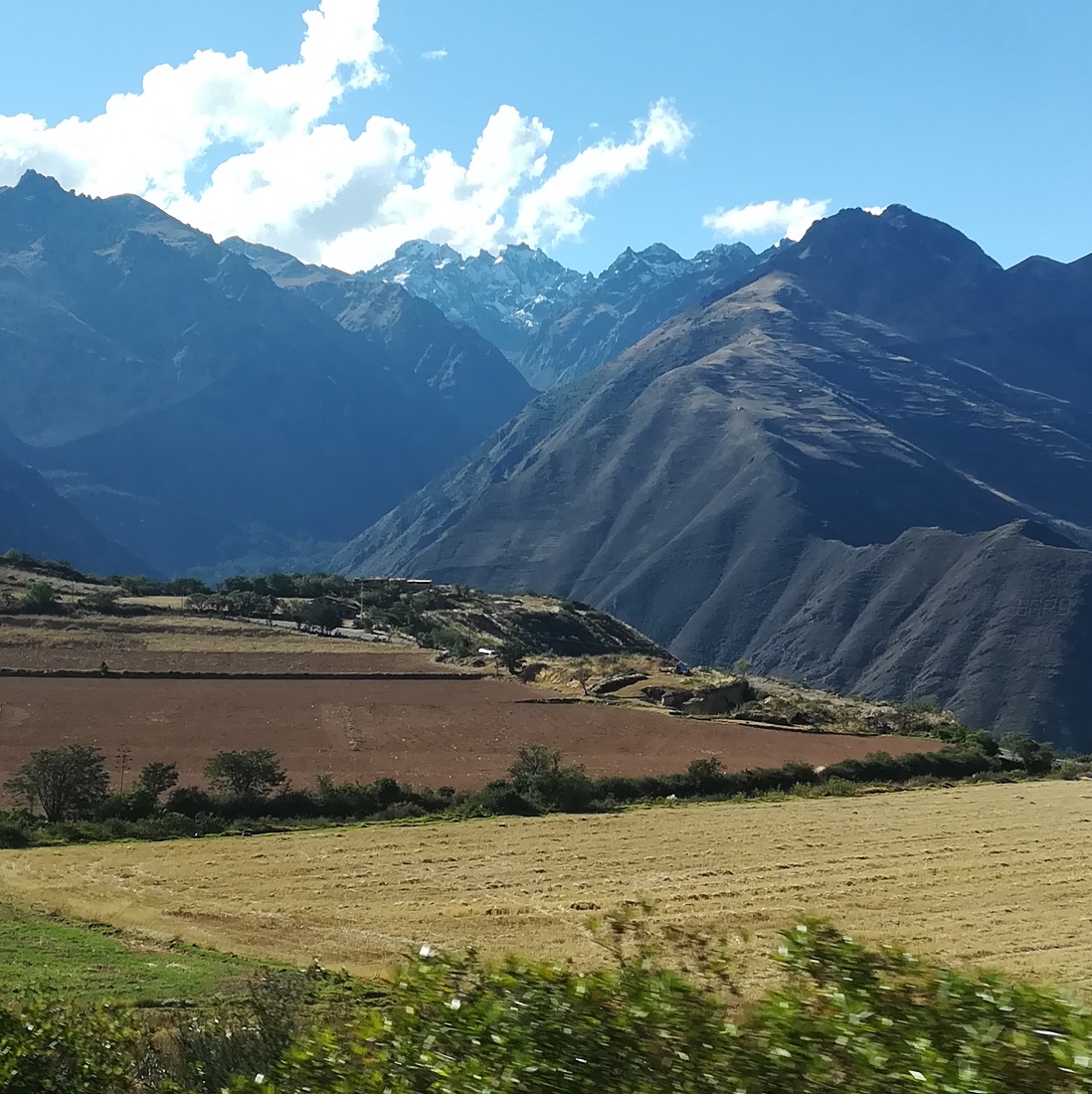
Peru´s territory is made up of diverse landscapes: the valleys, plateaus, and high peaks of the Andes unfold to the west towards the desert coast and to the east towards the Amazon.
Peru is one of the countries with the greatest biological diversity and the greatest mineral resources in the world. By the way, you know the name of PERU comes from the Piruw in Quechua and Aymara language??
Regarding culture, the Inca Empire was the last autochthonous or indigenous state, which dominated much of western South America around the 15th century.
The main and most widely spoken language is Spanish, although a significant number of Peruvians speak various native languages, the most widespread being Quechua, in particular the southern Quechua dialect.
Tourism
Tourism constitutes the third largest industry in the nation, behind fishing and mining. Tourism is directed mainly towards archaeological monuments, since it has more than one hundred thousand archaeological sites.
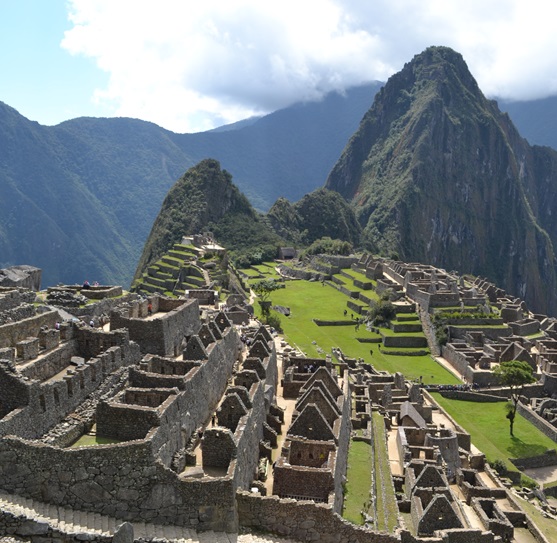
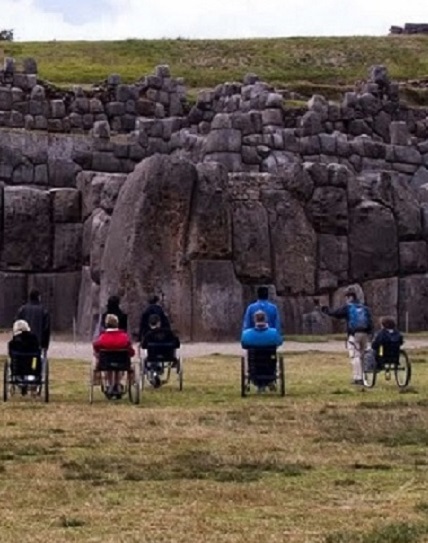
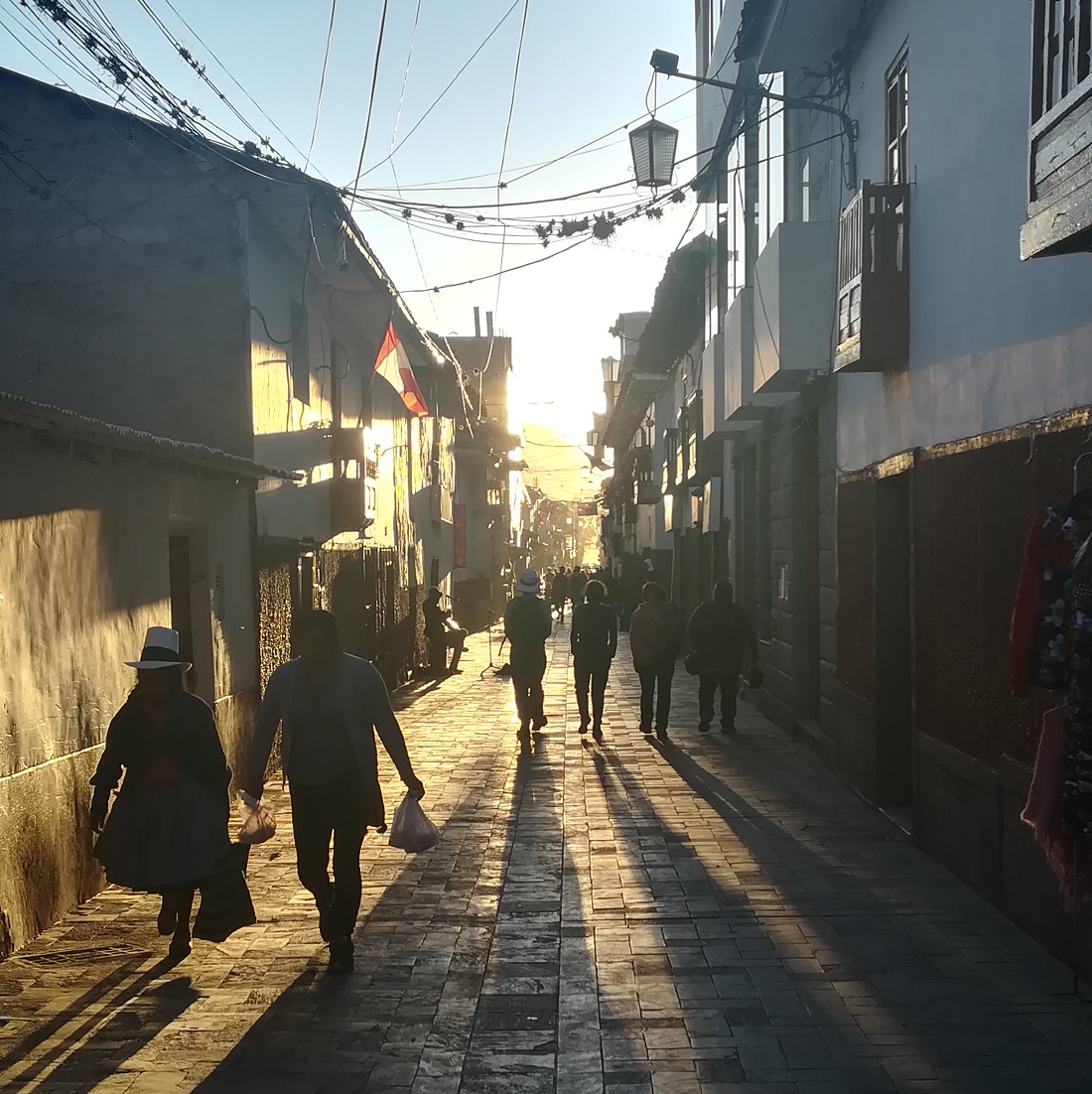
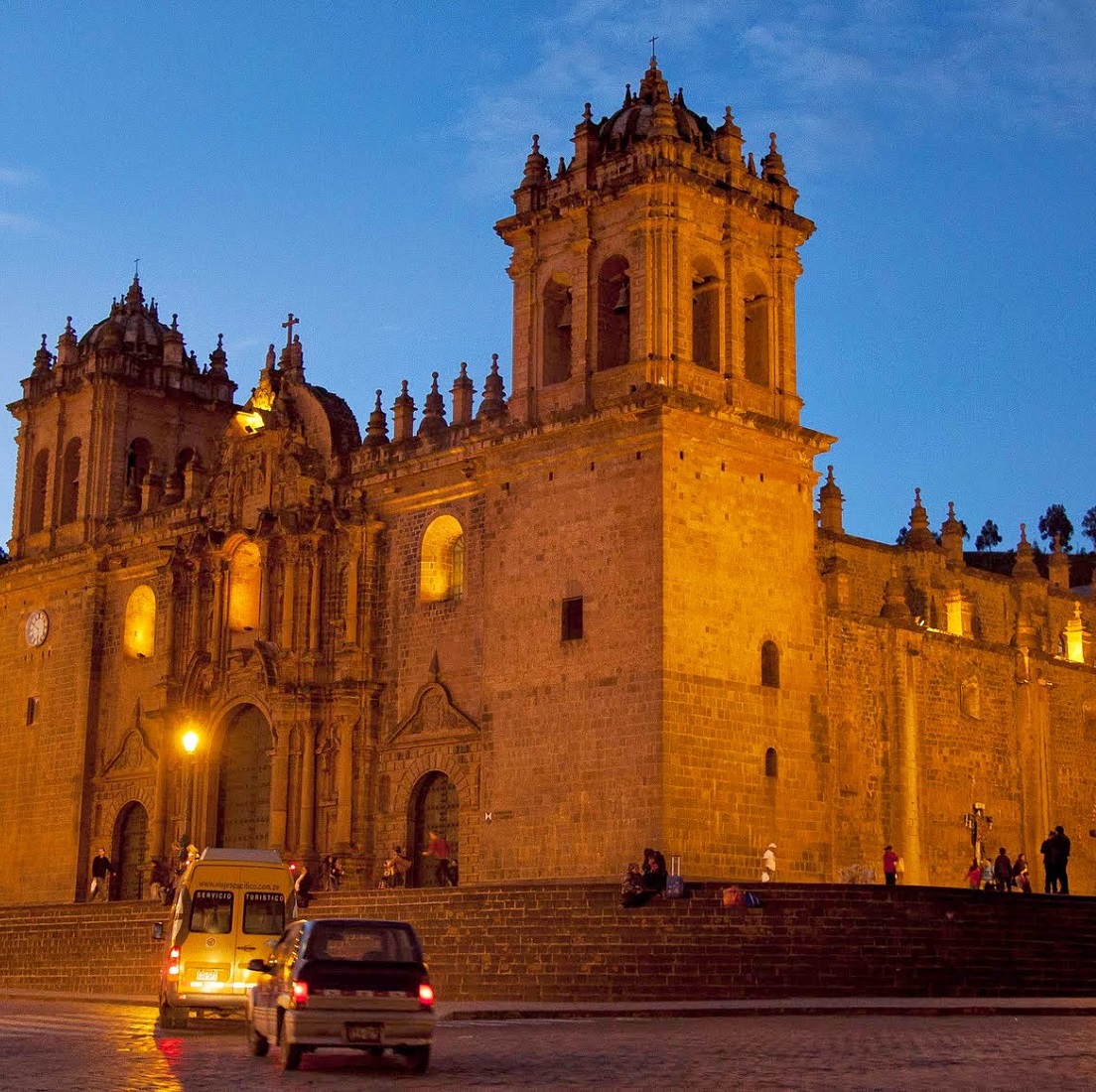
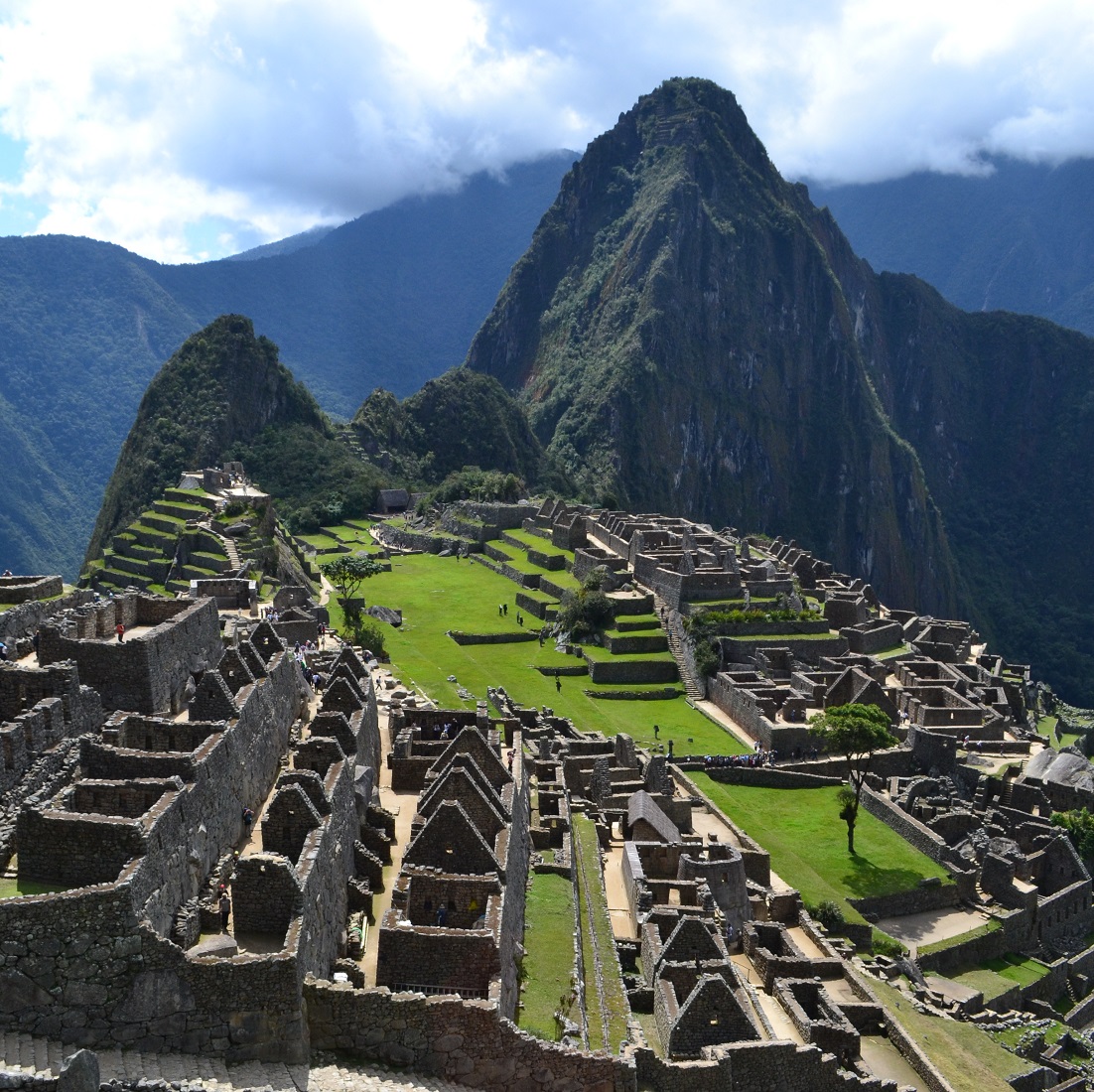
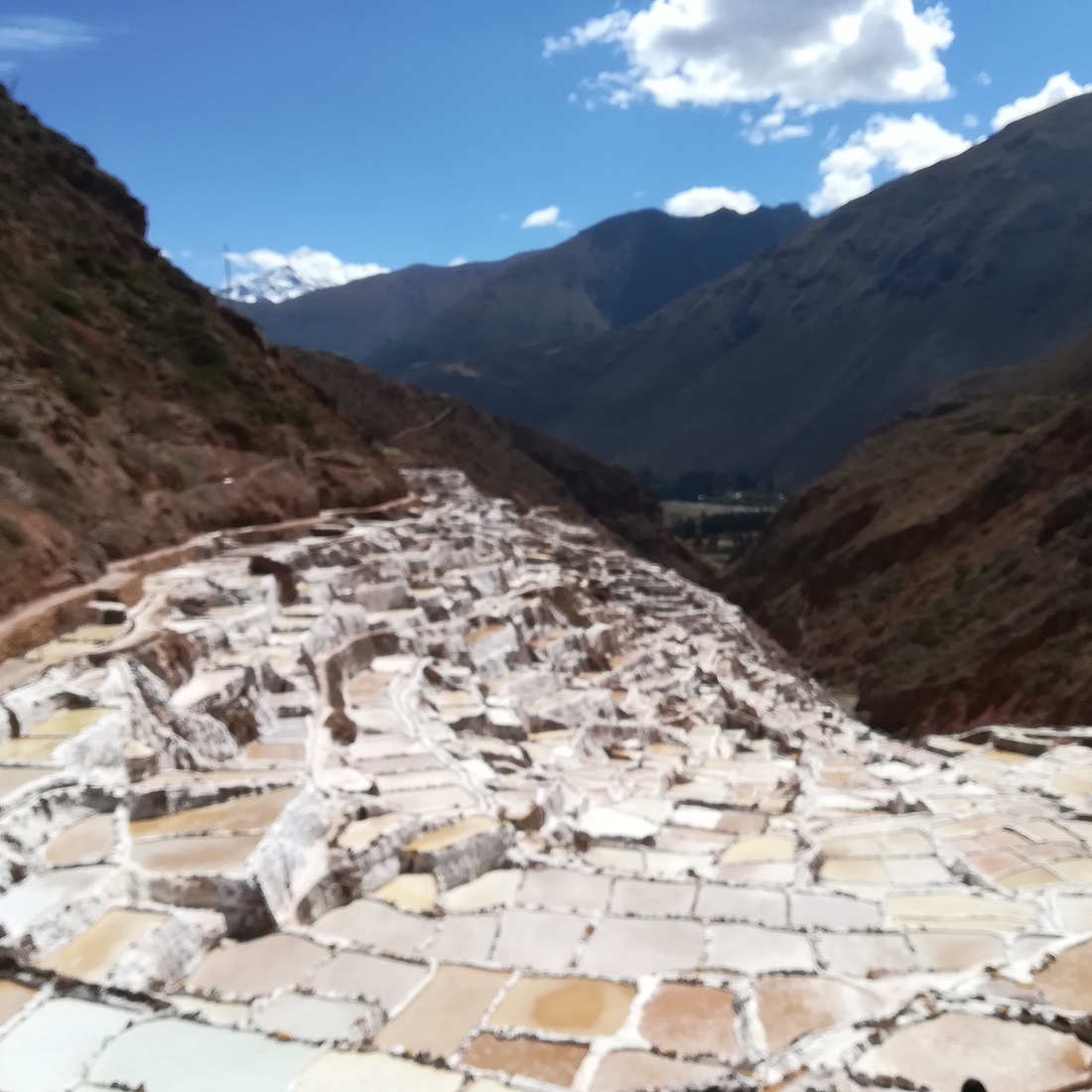
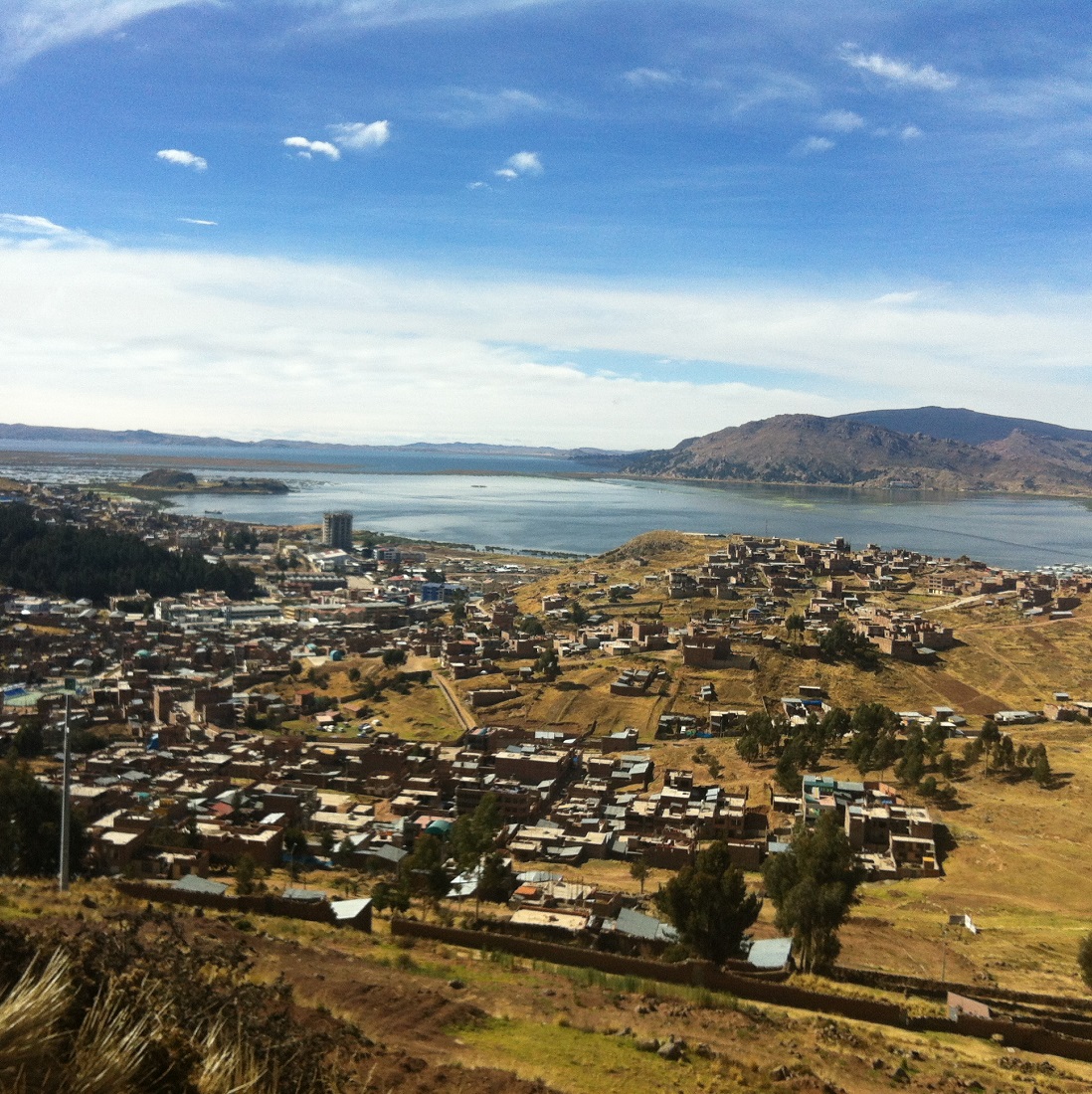
The places most visited by tourists are the cities of Lima and its historic center, Cuzco which is characterized by its Inca and colonial architecture but its main attractions are the Sacred Valley of the Incas and Machu Picchu, Arequipa for the historic center, also for the Colca Valley and finally Puno by Lake Titicaca.
Info about each region:
The Pacific Coast
In Lima and on the Coast in general, December to April are the hottest and sunniest months. June to August is more humid and a light drizzle may occur from June to October. You can wear lightweight clothing from November to May.
The Andes Highlands
In the Highlands the weather can vary considerably during the day: very cold at night and early morning and warm at noon. It is advisable to use clothes that you can change easily. Rainy season is from December to March so waterproof clothing is essential
Visas / Passport
Citizens of most American and Western European countries are not required visa to enter Peru. The maximum authorized length of stay is 90 days. All travelers must carry a valid passport, or a safe-conduct issued by the Peruvian immigration authority.
Currency and Finances
The Peruvian currency is the Nuevos Soles (usually just called Soles and abbreviated as PEN). Notes are issued in denominations of, 10’s, 20’s, 50’s, 100’s and 200’s. Coins are in 1 cent, 5 cents, 10 cents, 50 cents, 1’s, 2’s and 5’s Nuevos Soles.
The change usually varies between 3.00 and 3.20 Nuevos Soles per US$ 1 dollar. US dollars is the most popular currency after soles and are readily accepted in many places. Any US dollars you bring should be in good condition; merchants and banks will not accept torn, taped or old bills. Most of the street vendors accept US dollars and Euros.
Credit cards are widely accepted particularly Visa, MasterCard, American Express and Diner’s Club.
ATM’s are increasingly available; cash can be withdrawn in local currency and US dollars. As in any country in the world, take the usual precautions with your money and personal possessions. Carry them safely with you at all times. Divide your money into different locations. Do not display large amounts of cash in public.
Communications
For calls to Perú, dial: 00 51 + city code + phone number. Public phones accept coins and phone cards that are sold in stands and supermarkets.
To obtain telephone information, dial 103 (service in Spanish only)
To make an international call, dial 00 + country code + city code + telephone number.
For domestic calls from one city to another, dial : 0 + city code + telephone number.
Language
Spanish is the official language although there are many different languages spoken in the country, such as Quechua, Aymara and different dialects in the Amazon rainforest region. English is widely spoken in the main tourist areas.
Electricity
220 volts. Most hotels of 4* and 5* provide 110 volt power.
Tipping
Although tips are voluntary and at your discretion, it’s always recommended to recognize good service. The standard is 10% for your restaurant waiter or waitress. Some restaurants may already include the 10% gratuity; in this case, you may wish to leave a modest, additional tip.
Regarding the guides, it is a good reward to motivate them when their services is good.
Even though service fees are included for baggage handling in the hotels, a dollar or two for friendly service will always be appreciated.
Insurance
It is highly recommended that travelers contract travel insurance to cover events such as trip cancellations, medical expenses, repatriation and loss of belongings.
Make sure you read your policy carefully to ensure that you are covered for all instances and up to an amount you feel appropriate.
Hand luggage
We strongly advise that you put some essentials in your carry-on luggage, just in case your main luggage should get lost due to airline problems. Bring essential medicines, underwear, toiletries and a change of clothing.
Security
Peru is less hazardous than most other Latin American countries and many other parts of the world, but certain precautions will reduce risks and make your trip more enjoyable.
Do not be conspicuous with your money. There is no way to avoid looking like a foreigner but you can take prudent steps to minimize any difficulty: distribute your cash in several places, be careful with pocketbooks, use the safety deposit box in your room or at the front desk and keep your valuables, tickets and passport there.
Peruvian people are warm, friendly and anxious to be of help to you as a visitor.
** The emergency number for the National Police is 105.
** In case of accidents or emergencies please call the Fire Department at 116.
Shopping
Shopping is always fun when there’s variety, safety and choices: from trendy shopping malls in the cities to handicraft fairs in small towns. Most shopping malls and stores are open 7 days a week, including holidays, from 10:00 am to 10:00 pm.
All prices must include the General Sales Tax (18%) and a payment receipt must be provided. In Peru it is common to “regateo” barter over prices when shopping at fairs, markets, or from street or beach vendors.
Night life
Peruvian nightlife is most vibrant in the big cities. Every day there are shows, concerts and various artistic presentations at discos, pubs, night clubs, folk and salsa clubs, theater cafés and other venues specialized in regional music for tourists.
Leaving Peru
Here you will find useful information from when it´s time to exit Perú.
Airport Security. Due to Peru’s travel requirements and security measures, it is forbidden to carry sharp items such as scissors, pliers, blades, etc. in your carry-on baggage.
For international flights, all liquid, gel and aerosol containers in carry-on luggage must not exceed 200 ml (6.76 oz).